
Lighting Design as an Architectural Element
Introduction
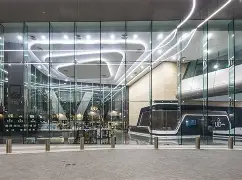
In the realm of architecture, lighting design is a pivotal element that transcends mere illumination. It plays an essential role in enhancing functionality, aesthetics, and ambiance within architectural spaces.
Functionality, Aesthetics, and Ambiance
Effective lighting not only illuminates but also transforms how spaces are perceived and experienced. It adds depth and character to architectural design while accentuating key architectural features such as textures, materials, and structural elements.
Creating Ambiance and Mood
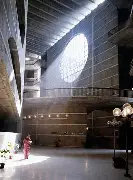
The ambiance of a space is significantly influenced by lighting. Different intensities, colors, and temperatures can evoke various moods and atmospheres, allowing architects to tailor the lighting to the intended function and mood of each space.
Enhancing Functionality and Safety
Adequate lighting is crucial for practical tasks, such as reading, cooking, or navigating hallways. Strategic placement of lighting fixtures ensures that spaces are both functional and safe for their intended use.
Improving Spatial Perception
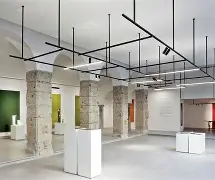
Lighting can alter the perception of space, affecting how large or small an area appears. Strategic lighting can make a room feel more expansive or intimate by influencing shadows and highlights.

Supporting Sustainable Design
Modern lighting design incorporates energy-efficient solutions that contribute to sustainable architecture, such as LED lighting systems.

Designing the Lighting Plan
The lighting plan is a critical aspect of architectural design. By understanding the pattern of use and considering ambient, task, and accent light, architects create an environment that not only functions well but also evokes emotion and enhances the overall aesthetic experience.
Conclusion
As an integral part of architectural design, lighting plays a significant role in shaping the perception and experience of spaces. By understanding the impact of lighting on ambiance, functionality, spatial perception, and sustainability, architects can create designs that not only meet their clients’ needs but also inspire and captivate those who inhabit them.