Biophilic Design in Contemporary Workspaces
Introduction
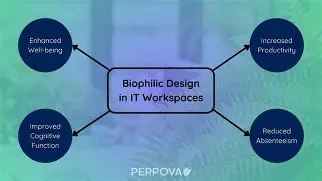
In the ever-evolving landscape of workplace design, one trend that continues to gain traction is biophilic design. Originating from the concept of ‘biophilia’, this design approach leverages our innate affinity with nature to create spaces that foster well-being, productivity, and overall satisfaction for occupants.
Development
The principles of biophilic design are rooted in seven fundamental patterns: view of water, view of vegetation, visual connection with nature, materials, sounds, thermal comfort, and light. By integrating these elements strategically, architects and designers can create an environment that aligns with our human need for a deep, emotional connection with the natural world.
- View of Water: Incorporate aquatic features such as waterfalls, fish tanks, or even small indoor ponds to stimulate the mind and promote relaxation.
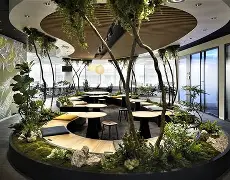
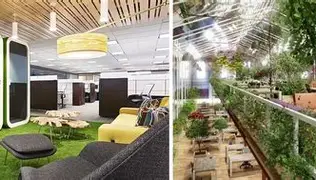
- View of Vegetation: Use live plants and green walls to bring a touch of nature indoors, improving air quality and reducing stress levels.
- Visual Connection with Nature: Maximize the use of natural light and incorporate large windows or skylights to offer glimpses of the outdoors.
- Materials: Employ materials such as wood, stone, and organic shapes to create a connection with nature and inspire feelings of calmness and comfort.
- Sounds: Introduce ambient sounds like water flowing or bird songs to create a calming atmosphere and mask distracting noises.
- Thermal Comfort: Mimic natural temperature variations by using adjustable heating and cooling systems that offer occupants control over their immediate environment.
- Light: Utilize natural light as much as possible, while also incorporating warm and cool artificial lighting to mimic the effects of daylight throughout the day.

Conclusion
Biophilic design is a powerful tool in creating contemporary workspaces that not only cater to modern aesthetics but also address our fundamental human needs. By prioritizing the integration of natural elements and following the principles of biophilic design, architects and designers can create spaces that foster well-being, productivity, and overall satisfaction for occupants.