Neomorphism vs Glassmorphism in Modern UI Design: A Comparative Analysis
Introduction
In the dynamic world of user interface (UI) design, two distinctive trends have emerged as key players in crafting immersive and visually appealing digital experiences: Neomorphism and Glassmorphism. This article delves into the unique characteristics and applications of these design approaches, shedding light on their potential impact on modern UI design.
Development
Neomorphism: The Resurgence of Depth and Texture
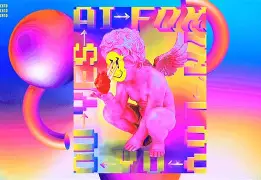
Neomorphism is a design style that emulates the three-dimensional look of physical materials, such as wood, metal, or glass. By blending subtle gradients, shadows, and textures, designers can create an illusion of depth and realism in their digital interfaces. This approach has been increasingly adopted by luxury brands seeking to elevate their digital presence and provide a more tactile and high-end user experience.
Glassmorphism: The Subtle Elegance of Transparency
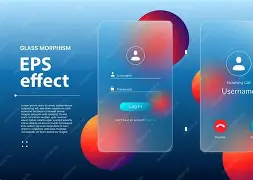
Glassmorphism, on the other hand, emphasizes transparency and reflections to create a sense of lightness and openness in UI design. This trend has been particularly popular in web and mobile applications, as it offers an intuitive and modern user interface that aligns seamlessly with minimalist aesthetics.
Conclusion
As we navigate the ever-evolving landscape of digital design, it is essential to stay abreast of emerging trends like Neomorphism and Glassmorphism. By embracing these styles, designers can create visually striking and engaging user interfaces that resonate with users and elevate brand identity across various platforms.