
Graphic Design Influences in Modern Pop Art: A Symphony of Color and Culture

From the Canvas to the Billboard: The Birth of Pop Art
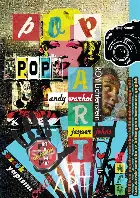
Pop art, an artistic movement that emerged in the 1950s, took the world by storm with its vibrant colors and bold imagery. Born from the minds of artists such as Ray Lichtenstein and Andy Warhol, pop art was inspired by everyday culture, including comic books and consumer products.
Incorporating the Everyday: The Impact of Pop Art on Graphic Design
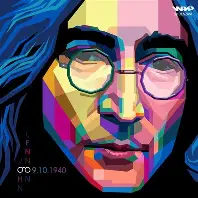
The influence of pop art is evident in graphic design. Designers began to incorporate vibrant colors and familiar images from mass culture into their work. This shift made designs more eye-catching, memorable, and relatable, engaging audiences in a new way.
Energizing Brands: Pop Art and Advertising
Companies like Coca-Cola and Pepsi embraced pop art themes to connect with younger consumers. This strategy allowed them to communicate energy, creativity, and a sense of modernity.

The Intersection of Art and Commerce: Pop Art in Exhibitions
Exhibitions often highlight the relationship between art and commerce, showcasing how pop art’s use of commercial imagery has influenced contemporary design practices. This includes how museums use pop art-inspired graphics in their branding and promotional materials to attract visitors.

The Legacy of Pop Art: Timeless Influence
Today, the legacy of pop art continues to influence graphic design and advertising. Its bold aesthetics, recognizable imagery, and playful approach have left a lasting impact on our visual culture.
Conclusion
Pop art has not only reshaped the landscape of modern art but also significantly impacted graphic design and advertising. Its bold colors, iconic imagery, and commercial influences continue to inspire designers today.