
Minimalist Desert Architecture: Aesthetic and Challenges
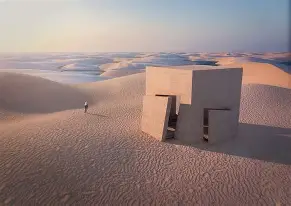
The Blossoming of Minimalism in the Desert Landscape
The minimalist architectural style has been gaining momentum across various landscapes, with desert regions offering a unique canvas for its expression. This design philosophy emphasizes simplicity, functionality, and a deep connection to the environment. In this article, we delve into the aesthetic appeal and challenges of minimalist desert architecture.
Aesthetic Harmony: Merging Architecture with Nature
Minimalist desert architecture seamlessly integrates design elements with the natural surroundings, often incorporating native materials and hues to create visual harmony. The use of clean lines, open spaces, and large windows allows inhabitants to immerse themselves in the beauty of the desert landscape while also providing practical solutions for heat management.
Challenges: Embracing Desert Conditions with Innovation
Designing minimalist architecture in the desert presents several challenges, primarily related to temperature regulation and water scarcity. Architects must find innovative ways to adapt their designs to these extreme conditions while maintaining the aesthetic appeal of minimalism. One such example is the use of exposed wooden beams as structural elements that also double as heat regulators.
Inspiration: Desert Art and Architecture
The desert landscape serves as a source of inspiration for many architects, drawing upon land art movements from the 1960s and 70s to create habitable sculptures that defy expectations and embrace the hostile environment. These designs embody simplicity, functionality, and a deep connection to the earth, demonstrating the potential of minimalist desert architecture as both a functional living space and a work of art.
Case Studies: Defying the Rules, Redefining Design
Two notable case studies showcase the innovative approach to minimalist desert architecture. The first is a villa in Wafra, Kuwait, which skillfully integrates equestrian lifestyle and the surrounding landscape into its design. The second is a house in Joshua Tree, California, that breaks every rule of traditional desert architecture while still creating a functional living space for its inhabitants.

Conclusion: Embracing the Unconventional
Minimalist desert architecture offers a unique approach to design that emphasizes simplicity, functionality, and a deep connection to the environment. By embracing the challenges presented by the harsh desert conditions, architects can create stunning living spaces that not only serve their inhabitants’ needs but also inspire awe and admiration.