
UX Design Principles for High-End E-commerce

Introduction
In the competitive landscape of e-commerce, high-end retailers must prioritize user experience (UX) to attract and retain affluent customers. This article explores essential UX design principles tailored for luxury online stores.
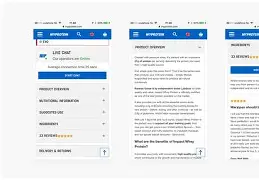
The Foundation: Product Page Design
The product page is the cornerstone of any e-commerce site. In contrast to general web design, minimalism and clear communication are key. Referencing successful e-commerce sites like Amazon, a cluttered layout can sometimes be beneficial, as it provides essential information quickly.
Step One: User Flow
Understanding the user journey is crucial. Map out the primary steps from landing on the site to achieving the desired objective. In high-end e-commerce, this often involves browsing products, comparing details, and making a purchase.

Step Two: Wireframing
Once you’ve identified the user flow, create corresponding wireframes for each screen. These layouts should contribute to reaching the key objective in an efficient and intuitive manner.

Step Three: Visual Design
Opt for a simple, sleek, and sophisticated visual design. Prioritize high-quality imagery, minimalistic typography, and ample white space to create an elegant user interface.

Conclusion
By following these UX design principles, high-end e-commerce sites can create an engaging and seamless shopping experience for affluent customers. Invest in understanding user behavior and prioritize simplicity to stand out in the competitive world of luxury online retail.