
Modernist Architecture Influences on Branding: A Symphony of Form and Function
Introduction
In the realm where art, design, and commerce intersect, a fascinating dance takes place. This article delves into the intricate relationship between modernist architecture and branding – two disciplines that, when woven together, create captivating experiences for consumers and patrons alike.
The Modernist Movement: A Brief Overview
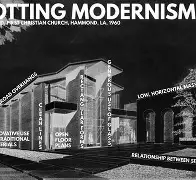
Born out of the Industrial Revolution, modernism sought to reconcile the beauty of traditional architectural forms with the demands of a rapidly changing world. Embracing simplicity, function, and efficiency, this movement redefined the built environment, giving birth to iconic structures that stand as testaments to its enduring influence.
Branding: A Gut Feeling
As Grace Ognan, an assistant professor in the College of Architecture and the Built Environment at Thomas Jefferson University, eloquently put it in her talk at The Athenaeum of Philadelphia, “A brand is a result. It’s a customer’s gut feeling about a product, a service or a company.”
This sentiment rings true as we consider the symbiotic relationship between modernist architecture and branding.

The Intersection of Architecture and Branding
- Functional Minimalism: The clean lines, open spaces, and use of modern materials in architecture provide an excellent backdrop for showcasing products or services that embrace simplicity and efficiency.
- Timeless Aesthetics: Iconic modernist structures serve as enduring symbols of quality, durability, and innovation, qualities that consumers seek when choosing brands to align with.
- Innovation and Progress: The very essence of modernism is rooted in forward-thinking design. Brands that embrace this ethos are seen as leaders in their respective industries, attracting customers who value progress and innovation.

Case Study: Luxury Brands and Modernist Architecture
Consider the collaboration between luxury brands such as Louis Vuitton and architect Frank Gehry. The striking, organic forms of Gehry’s designs serve as a backdrop for showcasing the innovative and timeless designs of Louis Vuitton. This fusion of architecture and branding creates a powerful visual narrative that resonates with consumers, reinforcing the brand’s reputation for quality, innovation, and timeless design.

Conclusion
The influence of modernist architecture on branding is a testament to the power of design in shaping consumer perceptions. As we move forward, it is essential for brands to consider the role of architecture – and vice versa – in crafting compelling narratives that resonate with consumers and create lasting connections between brands and their audiences.