
The Impact of Color Theory on High-End Brands
Introduction
In the realm of luxury branding, every detail matters. From the quality of materials to the intricacies of design, each element contributes to a cohesive and captivating identity. One critical yet often overlooked aspect is color theory – the science behind how colors influence perception, emotion, and decision-making.
Color Theory in Marketing and Design
Color theory explains why some combinations work harmoniously while others clash. It’s based on our collective understanding of color psychology, history, culture, and evolution, which helps marketers and designers make informed decisions when creating high-impact visual experiences.
- Red creates a sense of urgency and movement, making it ideal for luxury brands that want to evoke a sense of exclusivity and desirability.
- Green promotes harmony between the body and brain, fostering decisiveness and encouraging a connection with nature – perfect for eco-conscious or outdoor-oriented high-end brands.
Color Theory in Apparel Design
Understanding color theory can help designers choose colors that draw the eye, evoke specific emotions, and communicate effectively without words. For instance, primary colors like red, blue, and yellow are essential building blocks for creating a wide range of shades.

The Color Wheel and Complementary Colors
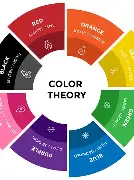
The color wheel, a visual representation of colors, is broken up into primary (red, blue, yellow), secondary (orange, green, purple) colors, and tertiary shades in between. By understanding complementary colors – those opposite each other on the wheel – designers can create visually appealing combinations that stand out without being too cliché.

Hue, Saturation, and Value
Beyond color pairings, understanding hue, saturation, and value can help designers create more nuanced color palettes for high-end brands. Hue refers to the actual color or shade, while saturation affects the intensity of the color, ranging from subtle to vibrant.
Value has to do with how dark or light the color is, giving us a wide range of shades between black and white.

Conclusion
Color theory plays a crucial role in the success of high-end brands, as it influences perception, emotion, and decision-making. By understanding color psychology, history, culture, and evolution, designers can create captivating visual experiences that resonate with consumers on a deeper level.