
The Impact of Bauhaus on 21st-Century Design

Introduction
The Bauhaus, a pioneering German art school founded in 1919 by architect Walter Gropius, has left an indelible mark on the world of design and architecture. Although it existed for only a brief period, the school’s impact remains influential today.
The Bauhaus Ethos
The Bauhaus fostered a unique spirit of collaboration, community, and shared purpose. It was an institution that sought to bridge the gap between art and industrial design, with a focus on functionalism and a belief in “Art into Industry.” The curriculum encompassed architecture, interior design, woodwork, textiles, graphic design, and typography.
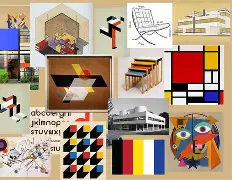
The Bauhaus Movement: A Revolution in Design
The Bauhaus’s influence on design and architecture was transformative. The school advocated for a return to craftsmanship and the belief that modern building practices had resulted in a lack of soulfulness. This renewed focus on craft and workmanship would prove to be influential in future design movements.

Iconic Bauhaus Designers
- Paul Klee
- Vasily Kendensky
- Joseph and Annie Albers
- Marcel Brewer
- Mies van der Rohe
The Legacy of Bauhaus: Clean, Simple, Open
Bauhaus interiors were characterized by their cleanliness, simplicity, and openness. The use of glass, metal, and concrete became hallmarks of the movement, setting the stage for minimalist design aesthetics that would dominate subsequent decades.

Incorporating Bauhaus into Modern Design
Today, elements of the Bauhaus movement continue to inspire designers around the world. The emphasis on functionality, simplicity, and a seamless blend of art and industry remains relevant in the 21st century.

Conclusion
The Bauhaus was more than just a school; it was a revolutionary movement that forever changed the face of design and architecture. As we continue to navigate the complexities of the 21st century, the Bauhaus’s lessons in functionality, simplicity, and collaboration remain vital touchstones for designers seeking to create meaningful, impactful work.