
Exploring the Best Online Archives for Graphic Design Research
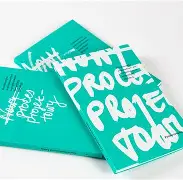
The Archive of Digital Art: A Cooperative Living Archive
Welcome to the Archive of Digital Art (ADA), a unique co-creative social environment that brings together over 600 artists, scholars, and technologists. Within this community, members openly share, discuss, and connect their knowledge on media art and its histories, creating a living archive that supports the documentation of media art for institutions of cultural heritage.
With metadata on over 2,000 events, 800 institutions, thousands of artworks, and an extensive bibliography, ADA offers user-generated content that is both subjective and scientific, as well as democratic in nature. Every artist with at least five artworks is automatically qualified to be a member, making the archive more inclusive and diverse.
Since 2016, an expansion of ADA with social software and a new database infrastructure empowers community members to self-document information on media art, its institutions, literature, technology, and other data. The interconnections within the archive help document media art as a collaborative process and its complex and ephemeral mediality at the intersection of art, science, and technology.
ADA provides new perspectives on media art and its digital technologies, such as the histories of virtual reality. In 1992, ADA community members Monica Fleischmann and Wolfgang Strauss exhibited their work, Home of the Brain, in which visitors explored within a virtual space theories of media technology and their influence on the development of modern society.
2025 Graphic Design Trends: A Sneak Peek
Stay ahead of the curve by exploring these 10 up-and-coming design trends for graphic designers. These trends are not just fleeting fads but represent the evolution and adaptation of visual communication in response to market demands and technological advancements.
- Minimal Typography: Clean, bold typography is making a comeback, especially in streetwear. This trend emphasizes the use of type only designs with minimal or no additional elements, demonstrating hierarchy, balance, and an excellent use of white space.
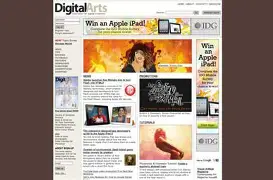
More Online Archives for Graphic Design Research
Explore these additional online archives and resources to fuel your creativity, broaden your knowledge, and stay informed about the latest trends in graphic design:

Embracing Modern Minimalism in Graphic Design
In today’s fast-paced digital world, modern minimalism is increasingly popular among graphic designers. This design philosophy emphasizes simplicity, clarity, and clean lines to create visually striking designs that resonate with audiences.
To master this trend, focus on using a limited color palette, simple typography, and ample white space. Additionally, pay attention to grid systems and modular design to maintain consistency and hierarchy in your work.
Creating Impactful Luxury Branding and Editorial Design
When designing for luxury brands, it’s essential to create an unforgettable visual identity that exudes sophistication, exclusivity, and timelessness. To achieve this, focus on using high-quality imagery, elegant typography, and a cohesive color palette that reflects the brand’s personality.
For editorial design, such as magazines or brochures, pay attention to layout, grid systems, and typography hierarchy to create a visually appealing and easy-to-navigate design. Additionally, consider using high-quality paper stock, luxurious finishes, and unique binding techniques to elevate the overall aesthetic of your work.
Conclusion
Stay inspired and informed by exploring these online archives, trends, and best practices for graphic design. Embrace minimalism, master luxury branding, and continually challenge yourself to create impactful visual communication that resonates with audiences.