
The Evolution of Exhibition Design in Museums: A Journey Through Time and Emotions
From Storytelling to Engagement: The Core of Exhibition Design
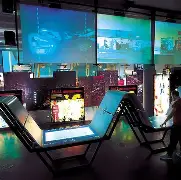
Every visit to a museum is an immersive experience, not by chance but through careful design. Exhibition design is the art and science that shapes these encounters, guiding visitors on a narrative journey through time, emotions, and ideas.
- Exhibition design is about arranging artifacts, using lighting, colors, and technology to engage visitors.
- A well-designed exhibition isn’t just a collection of objects; it’s an experiential journey.

The Art of Space Planning and Visitor Flow
Museums master the art of leading visitors through their spaces, ensuring a seamless and engaging experience. Three common layout strategies are linear, brief flow, and thematic.
- Linear Layout: Found in historical museums, this layout leads visitors chronologically through events.
- Brief Flow Layout: Commonly used in modern art galleries, this design allows for exploration in any direction at the visitor’s own pace.
- Thematic Layout: Grouping objects by ideas rather than chronology enhances the thematic focus of an exhibition.

The Power of Lighting: Mood, Highlighting, and Conservation
Lighting is a game-changer in exhibition design. It influences mood, highlights key objects, and even preserves delicate artifacts.
- Spotlighting: Draws attention to masterpieces, ensuring visitors focus on significant pieces.
- Ambient Lighting: Creates immersive atmospheres such as dim lighting with focus beams for dramatic storytelling in archaeological exhibits.
- Interactive Lighting: Reacts to visitor movements, enhancing engagements and adding a dynamic layer to the experience.
Object Placement and Display Cases: Perception Matters
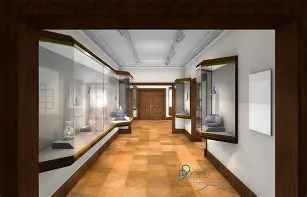
The placement of objects impacts how we perceive them. Museums carefully consider the positioning of artifacts to create the desired effect.
The Collaborative Process: Turning Ideas into Experiences
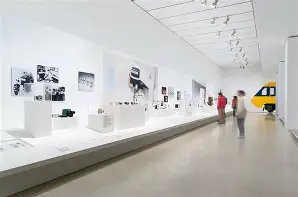
Exhibit designers work closely with curators, exhibit writers, and content developers to bring ideas to life in a physical space.
- The Exhibit Designer’s Role: Translates the content into a visual and interactive experience for visitors.
- The Collaborative Process: Ensures that the story is engaging, accessible, and memorable for museum guests.

Modern Trends: Pushing the Boundaries of Museum Experiences
Today’s museum exhibitions are more immersive, interactive, and engaging than ever before. Cutting-edge technology, multisensory experiences, and participatory design are shaping the future of exhibition design.
Conclusion
The evolution of exhibition design in museums is a fascinating journey that blends art, science, and storytelling. As technology advances and visitor expectations change, museums continue to innovate, creating engaging experiences for all.