
Passive House Standards in Luxury Architectural Design: A New Era of Sustainable Excellence
Introduction
In the ever-evolving landscape of luxury architectural design, a new standard is rising—the Passive House (PH) standard. Originating from Germany in 1996, this energy-efficient construction methodology promises up to 90% less energy consumption than conventional homes while providing unparalleled comfort and affordability.

The Five Fundamental Principles of Passive House Design
Achieving the passive house standard relies on five main principles, each meticulously designed to optimize energy efficiency:
- Highly Insulated Envelope: Quality insulation is essential for passive houses’ outstanding performance. Multiple layers of high-efficiency insulating materials cover every surface, minimizing heat exchange with the external environment.
- Airtight Construction: The external envelope of a passive house is sealed with an air tightness layer to reduce heat loss and control fresh air intake and outflow.
- Triple-Glazed Windows: Energy-efficient triple-glazed windows are used to minimize heat exchange through the glazing.
- Minimal Thermal Bridges: Construction details, such as the use of insulated foundations and avoidance of cold bridges, further improve energy efficiency.
- Mechanical Ventilation with Heat Recovery (MVHR): MVHR systems filter and recover thermal energy from exhaust air to preheat fresh air, ensuring a comfortable indoor environment while minimizing energy losses.
Case Study: Featherston Passive House
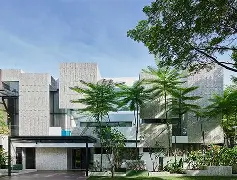
An exemplary instance of luxury passive house design is the Green Home of the Year 2023 winner, the Featherston Passive House by Josefine Watterson. With a focus on energy efficiency and warmth, this stunning residence showcases sustainable materials such as Bodo timber cladding and triple-glazed windows.

In addition, the house’s orientation ensures that living areas face north, maximizing sunlight during winter while minimizing it in summer. The materials used in the exterior and interior are low maintenance and have low embodied carbon to minimize environmental impact.

Conclusion
As the world moves towards a more sustainable future, luxury architectural design is evolving to incorporate passive house standards. These energy-efficient homes not only reduce carbon emissions but also provide unparalleled comfort and cost savings for their occupants. By prioritizing education and awareness about high-performance buildings, we can encourage more designers and builders to adopt these innovative methods, transforming the landscape of luxury architecture.

By embracing passive house standards in luxury architectural design, we can create homes that not only cater to our aesthetic preferences but also prioritize sustainability and energy efficiency. The future of luxury architecture lies in harmonizing these two elements seamlessly.
Innovative designs like the Featherston Passive House provide us with a glimpse into this exciting future, where luxury and sustainability coexist harmoniously. Let’s work towards making passive house standards in luxury architectural design the norm rather than the exception.
