
The Aesthetics of Minimalist Workspace Design: Crafting a Serene and Efficient Environment for Luxury Brands and Architecture
In today’s fast-paced world, the need for a minimalist workspace design has become increasingly important. As experts in branding and art direction, we understand that a well-designed workspace not only fosters productivity but also communicates the essence of luxury and sophistication.
The Art of Minimalism: Balancing Functionality and Aesthetics
Minimalist design is characterized by its simplicity, clean lines, and absence of clutter. This approach creates a serene atmosphere that encourages focus and efficiency while exuding an air of elegance and refinement.
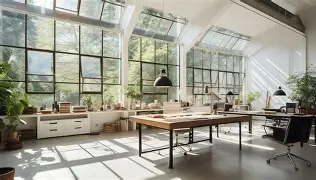
- Embrace a neutral color palette: Natural earth tones, whites, and grays provide a calming backdrop that allows the essential elements to stand out.
- Opt for functional furniture: Choose pieces that serve multiple purposes, such as storage systems that double as seating or work surfaces.
- Keep it tidy: A minimalist workspace should always appear uncluttered and organized, with cables hidden and peripherals kept to a minimum.
The Psychology of Space: Designing for Comfort and Creativity
Beyond aesthetics, minimalist workspace design also takes into account the psychological impact of the environment on its occupants. By following certain principles, we can create a workspace that fosters creativity, reduces stress, and encourages productivity.

- Command position: Strategically place the furniture to grant a clear view of both the entrance and a solid wall behind, enhancing focus and awareness.
- Natural light: Maximize natural light by arranging workspaces near windows or using artificial lighting that mimics natural light.
- Greenery: Incorporate plants into the workspace to improve air quality, reduce stress levels, and create a more inviting atmosphere.
The Intersection of Luxury and Minimalism: Architecture and Branding
In architecture and branding, minimalist design is often associated with luxury due to its timeless aesthetic and emphasis on quality materials. By incorporating minimalist principles into the design of a workspace or architectural project, we can create an environment that exudes refinement and sophistication while fostering creativity and productivity.

Conclusion: Embracing the Minimalist Approach
In conclusion, minimalist workspace design offers a unique approach to creating an environment that is both aesthetically pleasing and functional. By incorporating principles of minimalism into luxury brands and architectural projects, we can craft spaces that exude elegance, encourage creativity, and foster productivity.