Why London Remains the Global Capital of Design
A Timeless Blend of History and Innovation
For over two millennia, London has stood as a testament to human ingenuity and resilience. From its humble beginnings on the banks of the Thames to its current status as one of the world’s most celebrated cities, London has navigated the ebbs and flows of history to become a global hub for culture, finance, and design.
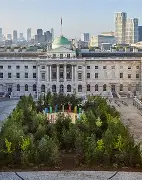
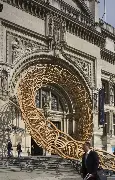
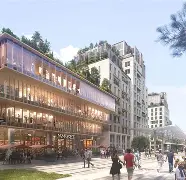
Today, London continues to blend its rich heritage with some of the world’s greatest modern-day architecture. The King’s Cross district, situated in the north of central London, serves as a powerful example of this timeless symbiosis.
The Renaissance of King’s Cross
Originally named after a monument to King George IV, King’s Cross has been a gateway into Britain’s capital for nearly two centuries. With the completion of Regent’s Canal in the 1820s and the introduction of the railway and world’s first underground metro system a few decades later, the area became directly connected to numerous cities across the country and was a key focus of industry.
However, following the end of World War II, many industries that once supported King’s Cross moved away from transporting freight by rail. The district fell into decline, experiencing unemployment, crime, and a poor pedestrian environment until it found new life in the 21st century.
The Skyscraper Revolution
For centuries, London has been one of the world’s leading financial hubs, but despite its rich history, it resisted a vertical push during the 19th and 20th centuries. This all changed in the 2000s with a push from authorities to grow the skyline and provide more space for the city’s burgeoning financial sectors.
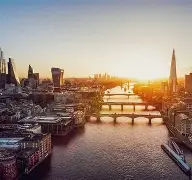
Over the past decade, London has experienced a skyscraper boom. The number of skyscrapers in the city has grown from just two before the turn of the century to 37 now either complete or under construction. While skyscrapers have risen across London, the biggest change to the skyline has happened here, in the historic heart of the city.
Despite being designed by different firms and completed five years apart, the Scalph Hall and the 48-storey London Hall building angled their mirrored windows to create a striking view of St. Paul’s Cathedral’s dome from the east.
The Future of Design in London
As London continues to evolve, it stands as a shining example of how a city can preserve its rich heritage while embracing innovation and modernity. With its unique blend of history, culture, and cutting-edge design, London remains the global capital of design.
In Conclusion
From the renaissance of King’s Cross to the skyscraper revolution, London continues to push the boundaries of design. With its rich history, diverse blend of neighbourhoods, vibrant cultures, and remarkable heritage interacting with some of the world’s greatest modern-day architecture, the UK’s capital stands as one of the largest and most celebrated cities on Earth.
The Legacy of London’s Design
As we look to the future, London’s legacy in design is secure. With its unwavering commitment to innovation and preservation, the city will continue to inspire designers worldwide for generations to come.

The Power of Collaboration
In the end, London’s success as a design capital lies in its ability to collaborate and adapt. Whether it is the renaissance of King’s Cross or the skyscraper revolution, London demonstrates that when creativity meets resilience, the possibilities are endless.
The Enduring Allure of London
As we stand at the precipice of a new age, London continues to captivate and inspire. Its unique blend of history, culture, and cutting-edge design make it an irresistible destination for designers and visitors alike.