Concept Stores: The Intersection of Retail and Architecture
Introduction
In today’s consumer-driven world, retail spaces have become more than just venues for buying goods. The most innovative brands are now creating experiential environments that blur the line between architecture and retail, redefining the concept of store design: welcome to the era of Concept Stores.

The Evolution of Concept Stores
Apple revolutionized the retail landscape with its minimalist, architecturally striking stores that emphasize customer experience over sales targets. The runaway success of Apple’s concept stores has inspired numerous copycats across industries, from Tesla to Samsung.
Manipulation or Marketing?
While some retailers subtly manipulate consumers into purchasing more, others focus on enhancing the customer experience. Understanding this distinction is crucial for brands seeking to establish successful concept stores that captivate customers and create lasting impressions.
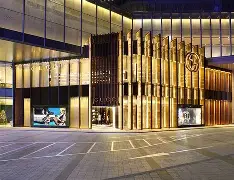
The Role of Architecture in Concept Stores
Architects play a pivotal role in shaping the identity and success of concept stores. Collaborating with brands to create immersive, visually stunning environments that seamlessly integrate products and design, they elevate retail spaces into iconic landmarks.

The Future of Concept Stores
As the retail landscape continues to evolve, so too will the concept stores that shape it. Brands will increasingly focus on providing unique, memorable experiences that align with their brand identities and resonate with consumers.

Conclusion
In the ongoing battle for consumer attention, concept stores have emerged as a powerful weapon in the retail arsenal. By seamlessly blending architecture and retail, they create immersive experiences that captivate customers, inspire loyalty, and drive sales growth.