
7 Minimalist Architecture Principles You Should Know
Introduction
In today’s fast-moving world, our homes and architecture have become more than just places to live. They are spaces to reset, recharge, and reconnect. In the realm of modern minimalist design, simplicity becomes the ultimate form of luxury. Here we explore seven minimalist principles that shape how your space looks, feels, and functions.
Less But Better
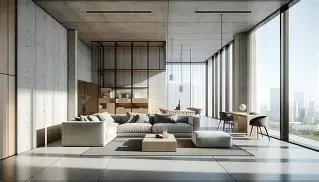
In minimalist design, the rule of ‘less but better’ shines. Start by stripping your space down to its essentials. Use a low profile sofa in neutral tones, add one statement piece such as a sculptural coffee table or oversized artwork, and let empty space breathe.
Clarity Over Emptiness

In minimalist design, simplicity isn’t about emptiness. It’s about removing the noise so that the details can speak. Natural and calm lighting should feel harmonious and enhance the modern feel without overpowering the space.
Functional Beauty
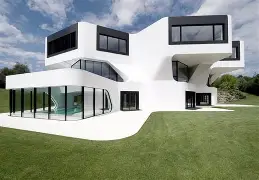
In minimalist design, every piece of furniture serves a purpose. Opt for functional beauty that adds to the aesthetic appeal while also fulfilling its intended function.
Balance and Alignment
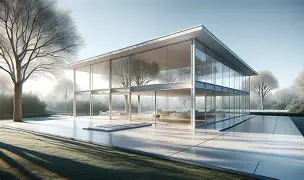
Balance and alignment are crucial in minimalist design. They create a sense of structure and organization, making your space feel connected and harmonious.
Repetition and Consistency
Repetition is a powerful tool in minimalist design. It creates unity, reinforces your brand identity, and helps to communicate your message effectively.
Contrast
Contrast can be used to make certain elements stand out within a space. It adds depth, visual interest, and creates balance in your design.
Conclusion
By applying these minimalist principles, you can transform your modern home into a space that not only looks beautiful but also feels calming, inspiring, and grounding.