
The Future of Sustainable Materials in Furniture Design
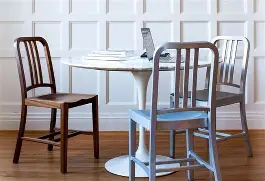
Innovative Brazilian Design Studio Leading the Way in Sustainability
Founded by designers Mauricio Noronha and Rodrigo Brenner, the Furf Design Studio has quickly become a global phenomenon. With studios in Curitiba, Brazil and Milan, Italy, this pioneering firm is blending excellence, poetry, innovation, sustainability, and social responsibility to create products that transcend traditional design boundaries.
Their philosophy reflects a commitment to creating a more sustainable and inclusive future through design. The studio collaborates with a diverse network of partners, including startups, multinational corporations, and institutions such as the United Nations, where Noronha and Brenner were appointed instructors in the UNIDO’s Department of Industrial Development in 2018.
Sustainable Materials: The Future of Furniture Design
In a world increasingly focused on minimizing environmental impact, sustainable materials are becoming essential components of furniture design. In this article, we explore five such materials that not only contribute to the preservation of our planet but also offer unique aesthetic qualities.
1. Marmorino Plaster
Originating from Italian architecture, Marmorino plaster is a decorative plaster made from lime, marble dust, and other natural ingredients. Its unique texture is smooth and polished, making it an excellent choice for those seeking eco-friendly alternatives to synthetic materials.
2. FSC Certified Solid Wood
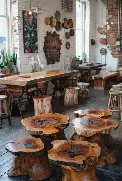
Sustainably sourced from forests that meet Forest Stewardship Council’s strict standards, this solid wood provides a beautiful and durable option for furniture design. Its natural oils protect the material while keeping it free of odors.
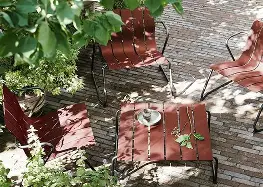
3. Centered Stone
Centered Stone is an eco-friendly alternative to engineered stones, made with natural materials like quartz and porcelain minerals. Its durability makes it a long-lasting choice for furniture design.
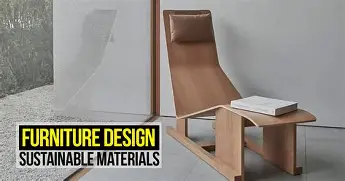
4. Recycled Metals
Repurposed metals offer a sustainable and stylish option for furniture design. By using materials that have already been mined, we can reduce our carbon footprint and contribute to the circular economy.
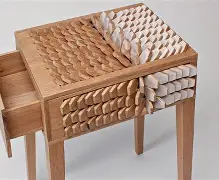
5. Bioplastics
Bioplastics are plant-based materials that can be used in furniture design instead of petroleum-derived plastics. These materials are biodegradable and less harmful to the environment.
Conclusion
The future of furniture design is undeniably sustainable. By embracing eco-friendly materials, we can create beautiful and unique spaces that reflect our personal style while making a positive impact on the environment. As designers, it’s our responsibility to lead by example and demonstrate that sustainability doesn’t compromise aesthetics or luxury.